

Commissary Kitchen Prime Cost: How to Allocate Shared Costs Correctly
Commissary kitchens can distort prime cost across concepts. See the gross-up and true-up methods that show each concept its real food and labor cost.
Read moreBlog
Restaurant restaurant operations insights from the FORCS team.
Commissary kitchens can distort prime cost across concepts. See the gross-up and true-up methods that show each concept its real food and labor cost.
Read more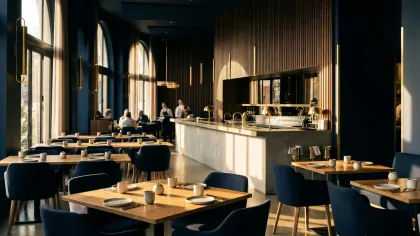
A Restaurant365 setup done right: clean chart of accounts, item and recipe mapping, tested POS integration and location groups before go-live.
Read more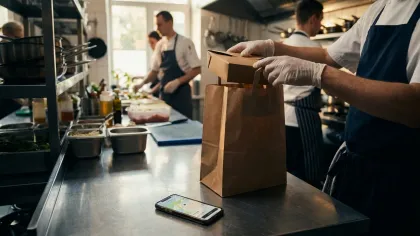
How restaurant bookkeeping changes for LA delivery-first concepts: real commission rates, packaging costs, and California sales tax rules for 2026.
Read more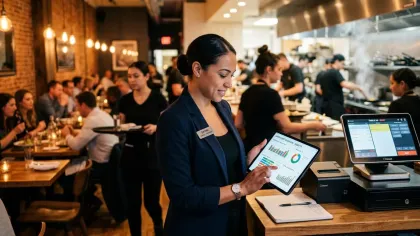
An ideal restaurant labor cost in 2026 runs 25% to 40% of net sales depending on service model. Benchmarks by concept and how to manage it.
Read more
What Restaurant365 partners do, how to vet them and the questions that separate real R365 expertise from a logo on a website.
Read more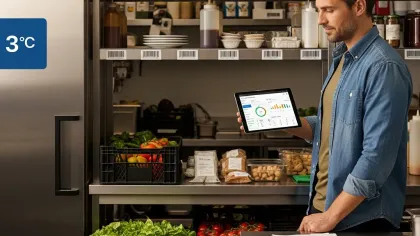
Restaurant inventory management for 2026: FIFO and FEFO, par levels, count SOPs and the tech stack that cuts waste and controls COGS.
Read more
A Restaurant365 implementation guide for multi-unit operators: setup order, chart of accounts, POS integration and the mistakes that stall rollouts.
Read more
How AI improves restaurant inventory management: real-time tracking, predictive ordering and waste reduction, and how to put it to work.
Read more
How mobile POS changes quick service restaurants: faster lines, table-side ordering, cleaner sales data and tighter labor scheduling.
Read more
Restaurant food cost percentage should run 28-35% for full-service, lower for QSR, higher for fine dining. See 2026 benchmarks and the formula.
Read more
How restaurants manage workforce challenges: scheduling technology, retention tactics and labor-cost controls that offset rising wages.
Read moreLet's build a stronger, more profitable restaurant — together.